Common Questions
What should I bring?
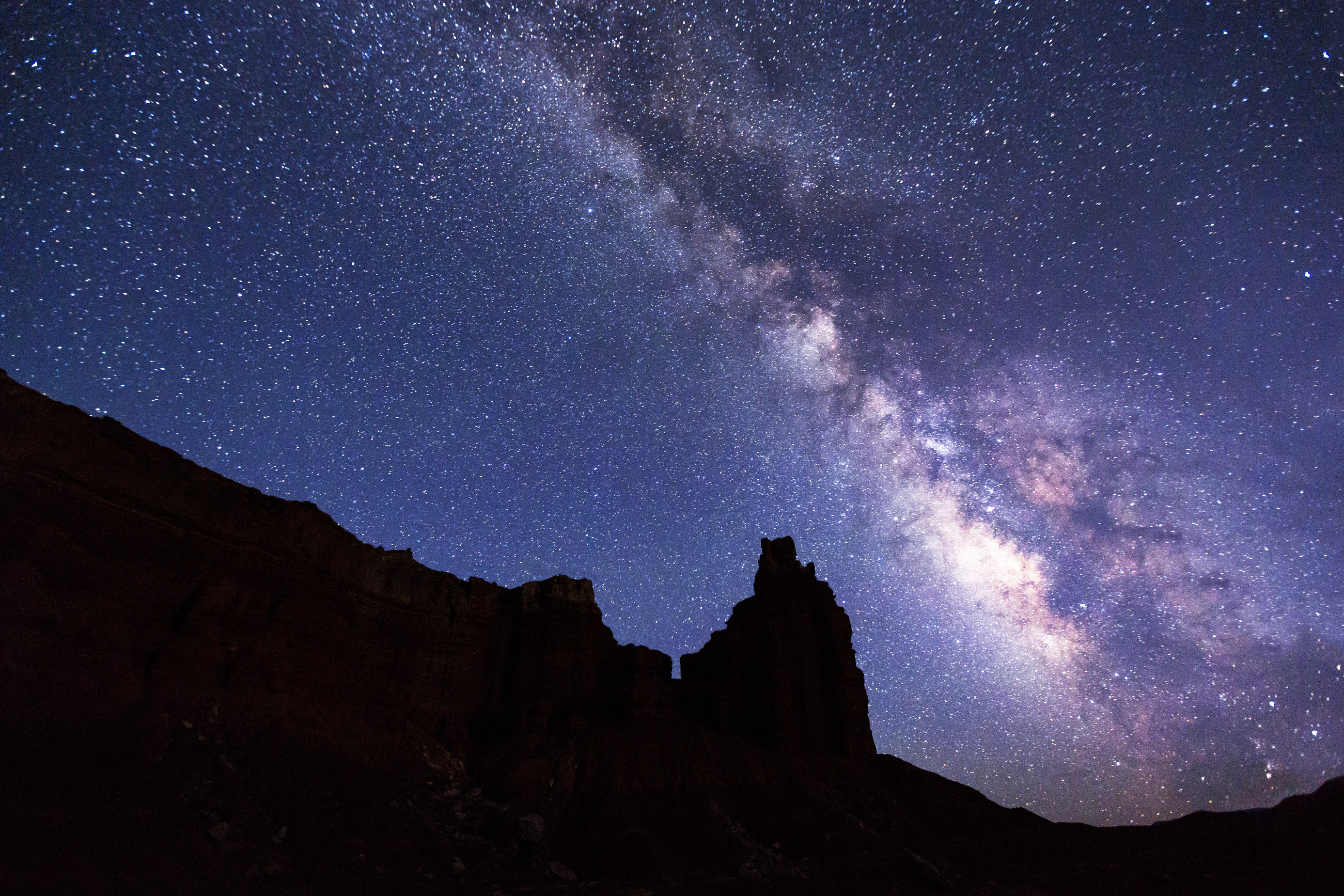
Warm layers (even in summer), closed-toe shoes, water, and curiosity. We provide red lights, seating, and warm beverages seasonally. The desert can be surprisingly cool at night, so dressing in layers is key to staying comfortable during your stargazing experience.
How long are the tours?
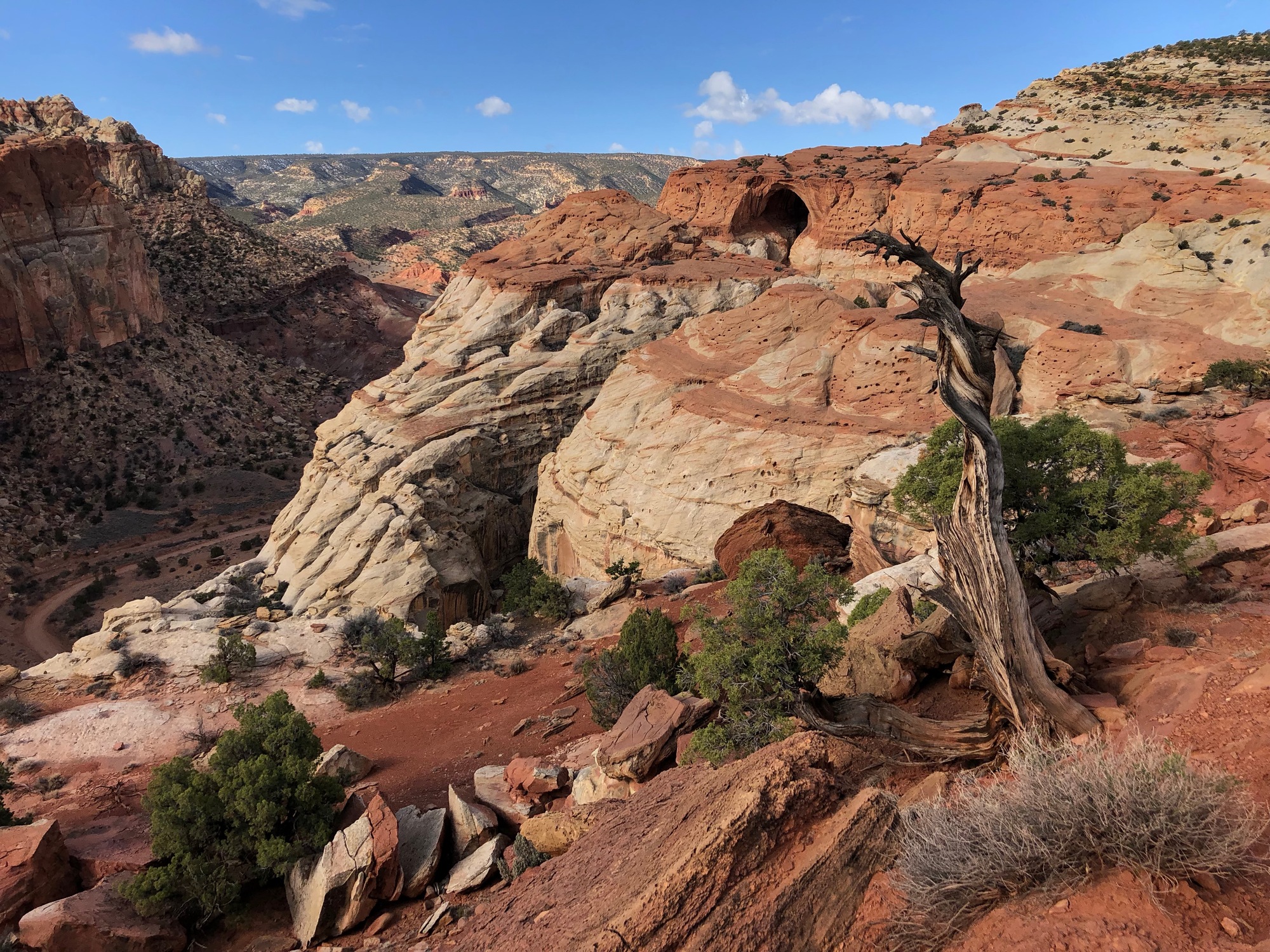
Our stargazing tours typically last 2-3 hours, beginning about an hour after sunset. This gives us time for constellation tours, telescope viewing of planets and deep-sky objects, and sharing stories under the stars while your eyes adjust to the darkness.
Where do we meet?
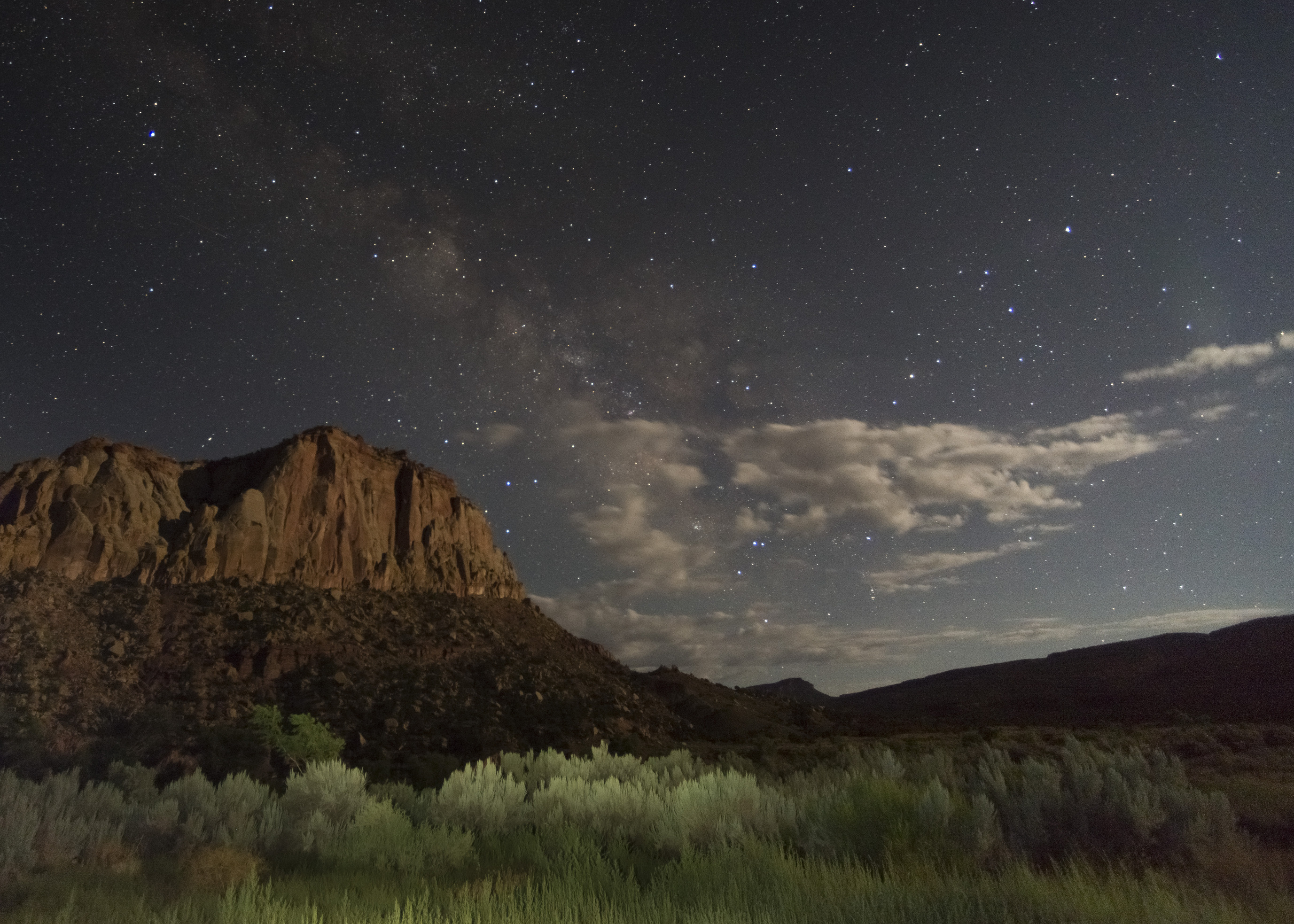
We'll confirm a Torrey meetup spot with safe parking and restrooms, then caravan to a nearby dark-sky site with open horizons. Meeting locations are chosen for convenience and safety, typically at well-known landmarks in town.
What will we see through the telescope?
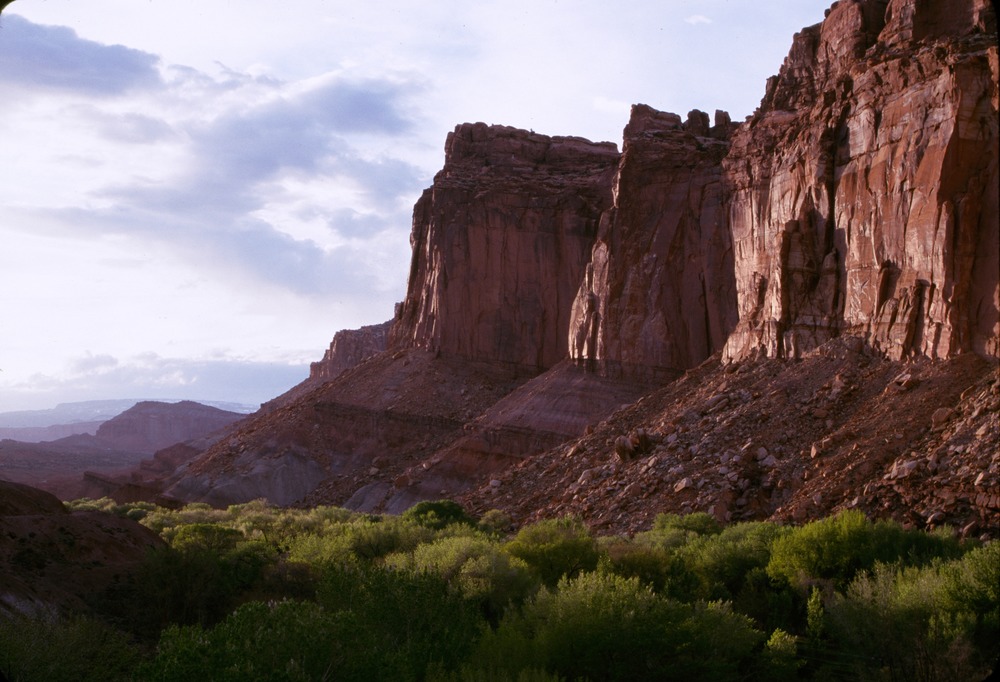
Depending on the season, you'll see planets like Jupiter's moons, Saturn's rings, star clusters, nebulae, and galaxies. We'll also use laser pointers to trace constellations and share the mythology behind star patterns visible to the naked eye.
Is it family friendly?
Absolutely! Kids love spotting satellites and shooting stars. We keep sessions engaging and at a comfortable pace. Our guides are experienced at adapting explanations for different age groups, making astronomy accessible and exciting for everyone.
What if it's cloudy?
We monitor weather closely and will reschedule for clear skies when possible. If partly cloudy, we often proceed as breaks in clouds can provide amazing viewing opportunities. Full refunds are offered for completely overcast conditions.
Can I take photos?
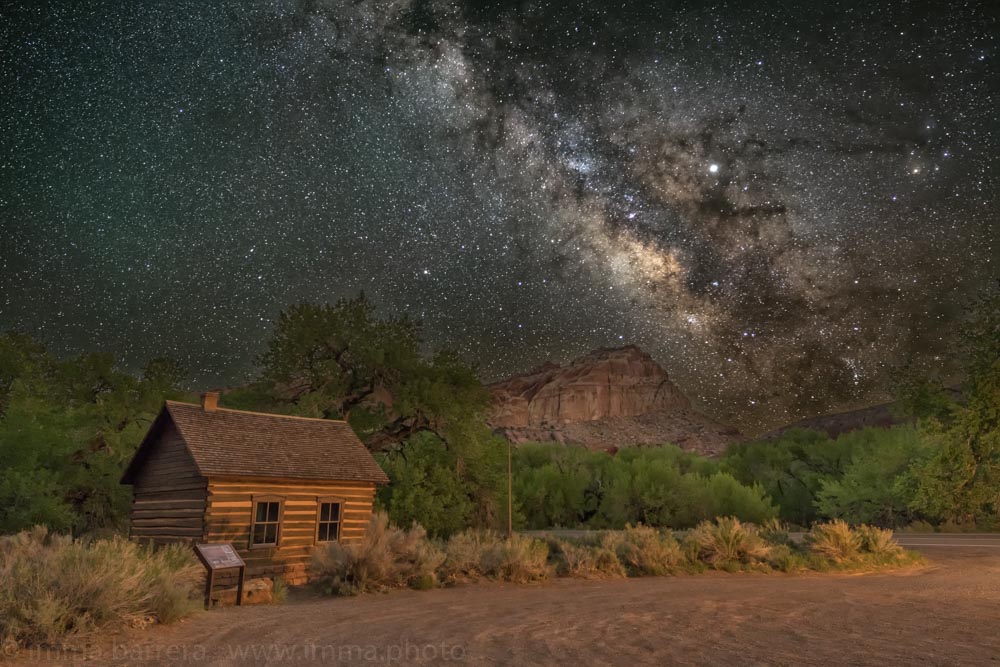
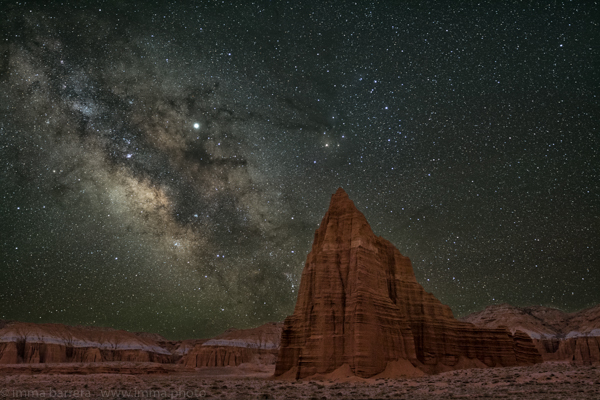
Yes, your guide can help with quick phone shots and basic DSLR settings. Please avoid bright white lights to protect night vision. We'll share tips for capturing the night sky and can help you get memorable shots of your stargazing experience.

Do we need experience with astronomy?
Not at all! Our tours are designed for all levels, from complete beginners to seasoned stargazers. We start with basics and adapt to your group's interest and knowledge level, making astronomy accessible and engaging for everyone.
How dark does it get?
Capitol Reef is a Gold-tier International Dark Sky Park with exceptional darkness. On clear nights, you'll see the Milky Way stretching across the sky and thousands of stars invisible in cities. Your eyes need 20-30 minutes to fully adjust.
What's the best time of year to visit?
Each season offers unique viewing opportunities. Spring and fall provide comfortable temperatures and great planet viewing. Summer offers warm nights perfect for meteor showers. Winter brings crisp, clear skies and excellent deep-sky viewing, though dress warmly!